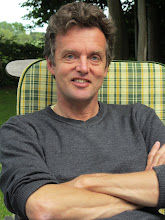
LENE ESPERSEN
Lene Espersen is Denmark's attractive - some would say sexy - Foreign Minister, and the leader of the Conservatives, the junior partner in the country's right of centre government. She is also in a political hole.
Danish Governments are usually coalitions; and for the past three decades, they have alternated between right and left. In the 1980's, the Conservatives under Poul Schlüter were top dogs over their partners Venstre; then the 1990's saw a left of centre Government under Poul Nyrup Rasmussen. When the right got in again in 2001, two things were different. First, it was Venstre, under the religiously "on-message" Anders Fogh Rasmussen, who were the senior partners. Secondly, even in conjunction with the Conservatives, the right could only form a minority government. In order to get legislation passed, they have had to rely on the very right-wing, anti-immigrant, anti-Muslim and generally all-round nasty Danish People's Party, a phenomenon which has exposed the Conservatives' otherwise solid right flank.
When the party's nice but ineffectual leader Bendt Bendtsen stepped down in 2008 in order to get himself a fat pension as an MEP in Brussels, the choice was between two talented women; Lene Espersen, Justice Minister and long the heir-apparent, and Connie Hedegaard, the Climate Minister, who ran the Copenhagen Conference. Espersen won, shuffled her rival off to Brussels as Denmark's commissioner, and took over Bendtsen's former job as Economy Minister. This may have minimised the changes in ministerial portfolios, but was otherwise bad timing, as the finance crisis struck Denmark with a vengeance, and unemployment, though starting from a low base, began to rocket. With the Government losing popularity, particularly after Anders Fogh Rasmussen went off to become Secretary General of Nato, something more radical was needed. In February this year Espersen dumped long-standing Foreign Minister and party colleague Per Stig Møller, demoted him to Culture Minister, and took his place.
Since then, it has been downhill all the way. A young mother with small children, she has twice missed meetings with colleagues from other countries in order to have family holidays; the first occasion at the Nordic Council, where she was due to meet Hilary Clinton for the first time, and the second at the E.U. This has gone down very badly in Denmark, a small country which has few opportunities to sit at the top table with the big boys. The second holiday was particularly inapt, given the criticism she had faced first time round, and which she had promised to take to heart. With the Danish People's Party's leader Pia Kjærsgaard rubbing salt in the wounds from the sideline, the Conservatives have gone into freefall in public opinion polls, not helped by the fact that the Financial Times in Germany dubbed her the clumsiest Foreign Minister in the EU. Not surprisingly, there are now muttered calls from within her party for the head of the once darling of the right.
All of which proves - yet again - two things. First, it is difficult to be a party leader from the position of Foreign Minister (Guido Westerwelle is facing a similar problem running the FDP in Germany). The former requires you to be at home and on top of all your colleagues; the latter requires you to spend lots of time abroad. Secondly, there is no such thing in politics as a shoo-in. Lene Espersen was once considered a shoo-in for both the leadership of her party, and as a future Prime Minister of Denmark. She achieved the first, but there are not many people left who would put money on the second.
Walter Blotscher
Sunday, 15 August 2010


Saturday, 14 August 2010
A MOSQUE IN MANHATTAN
Three cheers for Barack Obama's staunch defence of the plan to build a mosque and Islamic cultural centre at the south end of Manhattan Island in New York. The plan had been opposed by right-wing politicians in the U.S. such as Sarah Palin and Newt Gingrich, on the grounds that it was close to Ground Zero, where the 9/11 attacks took place. A "stab in the heart of the families of the innocent victims of those horrific attacks", wrote the former; an "assertion of Islamic triumphalism", said the latter.
Tosh, said President Obama (I am paraphrasing him here). In a dignified speech at a White House dinner celebrating the Muslim fasting month of Ramadan, he reminded listeners that the United States had been built by people fleeing religious oppression in Europe. He also repeated - once again - the necessary message that Al-Qaeda does not represent all Muslims, and that their message of terrorism does not represent Islam.
Although the Economist had chided the critics of the project in its Lexington column last week, New York Mayor Michael Bloomberg had until now been the only prominent politician to have supported the proposed mosque, and the principle of religious freedom that it represents. Let's hope that President Obama's speech will embolden others to stand up publicly for the same cause.
Walter Blotscher
Three cheers for Barack Obama's staunch defence of the plan to build a mosque and Islamic cultural centre at the south end of Manhattan Island in New York. The plan had been opposed by right-wing politicians in the U.S. such as Sarah Palin and Newt Gingrich, on the grounds that it was close to Ground Zero, where the 9/11 attacks took place. A "stab in the heart of the families of the innocent victims of those horrific attacks", wrote the former; an "assertion of Islamic triumphalism", said the latter.
Tosh, said President Obama (I am paraphrasing him here). In a dignified speech at a White House dinner celebrating the Muslim fasting month of Ramadan, he reminded listeners that the United States had been built by people fleeing religious oppression in Europe. He also repeated - once again - the necessary message that Al-Qaeda does not represent all Muslims, and that their message of terrorism does not represent Islam.
Although the Economist had chided the critics of the project in its Lexington column last week, New York Mayor Michael Bloomberg had until now been the only prominent politician to have supported the proposed mosque, and the principle of religious freedom that it represents. Let's hope that President Obama's speech will embolden others to stand up publicly for the same cause.
Walter Blotscher
Friday, 13 August 2010
INTELLIGENT PARKING
The corollary of an urban society with lots of cars is the need for parking. This is particularly acute at hospitals, which attract three big groups of motorists; employees, patients and visitors. But how do you give priority to the first two without alienating the third?
For employees, it is easy. Since demand is relatively stable, both in terms of numbers and days worked, it is straightforward enough to give them their own separate area. For the latter it is more complicated, since demand can, and does, vary. Moreover, a patient needs to get to the hospital, and doesn't want to be put off by either lack of parking space or the cost of it; a visitor, on the other hand, chooses to go and is presumably more flexible about both.
The answer, as I discovered this morning when I took my mother-in-law to hospital to have a cataract operation, is a smart parking meter. Patients simply insert their health insurance card in the meter; the machine registers, via the hospital's in-house IT system, that he/she has an appointment on that day, and issues a free parking ticket. Visitors, on the other hand, have to insert their credit card and pay.
This admirably effective system requires, of course a) that everyone has a health insurance card, and b) that the hospital's IT system can be coupled up to the parking meter. Since those pre-requisites don't exist in the U.K., I fully expect the issue of patients' having to pay for parking to continue to be an irritation there.
Walter Blotscher
The corollary of an urban society with lots of cars is the need for parking. This is particularly acute at hospitals, which attract three big groups of motorists; employees, patients and visitors. But how do you give priority to the first two without alienating the third?
For employees, it is easy. Since demand is relatively stable, both in terms of numbers and days worked, it is straightforward enough to give them their own separate area. For the latter it is more complicated, since demand can, and does, vary. Moreover, a patient needs to get to the hospital, and doesn't want to be put off by either lack of parking space or the cost of it; a visitor, on the other hand, chooses to go and is presumably more flexible about both.
The answer, as I discovered this morning when I took my mother-in-law to hospital to have a cataract operation, is a smart parking meter. Patients simply insert their health insurance card in the meter; the machine registers, via the hospital's in-house IT system, that he/she has an appointment on that day, and issues a free parking ticket. Visitors, on the other hand, have to insert their credit card and pay.
This admirably effective system requires, of course a) that everyone has a health insurance card, and b) that the hospital's IT system can be coupled up to the parking meter. Since those pre-requisites don't exist in the U.K., I fully expect the issue of patients' having to pay for parking to continue to be an irritation there.
Walter Blotscher
Thursday, 12 August 2010
ULYSSES
When I was at university, I won an academic prize worth £100. Since £100, even in those days, was never going to make me rich, I decided to spend it on books. The complete works of Shakespeare, the Bible, a history of Britain in 15 volumes, that sort of thing. Most of the books have remained unopened since; though they have dutifully followed me around the world from London to Brussels to London to Lesotho to Brighton to London to Tanzania to Denmark. Packing and unpacking them at regular intervals has become part of my life.
The list also included Ulysses, by James Joyce. At various times I have taken it down from the shelf and flicked through it, intending to start it. But until recently, the intent was all. Now, however, I can proudly say that I have finished it. Not in a madcap, unputdownable week - as with Wolf Hall - but painfully and laboriously over three months or so.
First published in 1922, Ulysses is a hard book to read. Its 700-odd pages take place on a single day in 1904, as the main character wanders around Dublin in much the same way as Ulysses himself wandered around the Mediterranean following the sack of Troy. There is quite a lot of Latin, Italian and French. There is also quite a lot about the Catholic church, classical allegories, and Irish history around the turn of the century; and an awful lot of detail about the geographical layout and social events of Dublin itself. But nothing much happens.
I can live with that, and I might even have found it interesting. But what makes it really hard is the English itself. Try this for a sentence.
"Universally that person's acumen is esteemed very little perceptive concerning whatsoever matters are being held as most profitably by mortals with sapience endowed to be studied who is ignorant of that which the most in doctrine erudite and certainly by reason of that in them high mind's ornament deserving of veneration constantly maintain when by general consent they affirm that other circumstances being equal by no exterior splendour is the prosperity of a nation more efficaciously asserted than by the measure of how far forward may have progressed the tribute of its solicitude for that proliferent continuance which of evils the original if it be absent when fortunately present constitutes the certain sign of omnipollent nature's incorrupted benefaction."
Got it? And that is by no means the longest or most complex sentence in the book. It used to be said that David Bowie, in generating the lyrics for his songs, wrote them out on pieces of paper, and then cut them up and pasted them randomly. Reading Ulysses, I often got the impression that Joyce's typesetter had had pretty much the same idea.
You can easily see that Joyce's literary structure and setting were revolutionary. You can also see that with its frequent references to sex and bodily functions, it was too strong a meat for some of the censors of the 1920's. But at the end of the day, is Ulysses any good? Having laboriously ploughed my way through it, my humble opinion is a crisp "no".
Walter Blotscher
When I was at university, I won an academic prize worth £100. Since £100, even in those days, was never going to make me rich, I decided to spend it on books. The complete works of Shakespeare, the Bible, a history of Britain in 15 volumes, that sort of thing. Most of the books have remained unopened since; though they have dutifully followed me around the world from London to Brussels to London to Lesotho to Brighton to London to Tanzania to Denmark. Packing and unpacking them at regular intervals has become part of my life.
The list also included Ulysses, by James Joyce. At various times I have taken it down from the shelf and flicked through it, intending to start it. But until recently, the intent was all. Now, however, I can proudly say that I have finished it. Not in a madcap, unputdownable week - as with Wolf Hall - but painfully and laboriously over three months or so.
First published in 1922, Ulysses is a hard book to read. Its 700-odd pages take place on a single day in 1904, as the main character wanders around Dublin in much the same way as Ulysses himself wandered around the Mediterranean following the sack of Troy. There is quite a lot of Latin, Italian and French. There is also quite a lot about the Catholic church, classical allegories, and Irish history around the turn of the century; and an awful lot of detail about the geographical layout and social events of Dublin itself. But nothing much happens.
I can live with that, and I might even have found it interesting. But what makes it really hard is the English itself. Try this for a sentence.
"Universally that person's acumen is esteemed very little perceptive concerning whatsoever matters are being held as most profitably by mortals with sapience endowed to be studied who is ignorant of that which the most in doctrine erudite and certainly by reason of that in them high mind's ornament deserving of veneration constantly maintain when by general consent they affirm that other circumstances being equal by no exterior splendour is the prosperity of a nation more efficaciously asserted than by the measure of how far forward may have progressed the tribute of its solicitude for that proliferent continuance which of evils the original if it be absent when fortunately present constitutes the certain sign of omnipollent nature's incorrupted benefaction."
Got it? And that is by no means the longest or most complex sentence in the book. It used to be said that David Bowie, in generating the lyrics for his songs, wrote them out on pieces of paper, and then cut them up and pasted them randomly. Reading Ulysses, I often got the impression that Joyce's typesetter had had pretty much the same idea.
You can easily see that Joyce's literary structure and setting were revolutionary. You can also see that with its frequent references to sex and bodily functions, it was too strong a meat for some of the censors of the 1920's. But at the end of the day, is Ulysses any good? Having laboriously ploughed my way through it, my humble opinion is a crisp "no".
Walter Blotscher
Wednesday, 11 August 2010
GUILT AND INNOCENCE
In a legal system (that of England and Wales) that only allows two pleas in a criminal trial, namely guilty and not guilty, is "not guilty" the same as "innocent"? You could be forgiven for thinking that they are indeed the same; if so, you would be wrong.
In 1997, 14-year old Billie-Jo Jenkins was bludgeoned to death with a metal tent peg at the home of her foster family. Her foster father Sion Jenkins was convicted of her murder, and his appeal against that conviction was rejected. In 2003, his case was taken up by the Criminal Cases Review Commission, the body charged with investigating possible miscarriages of justice. In 2004 the original conviction was quashed, on the grounds that it was unsafe. A retrial was ordered, but the jury was unable to reach a verdict. A second retrial ended in February 2006 with a hung jury. Since the prosecution had not proved their case beyond reasonable doubt, under criminal law rules, that meant that Jenkins was formally acquitted of the charges; in other words, he was - and is - not guilty of murdering his foster daughter.
Jenkins then applied to the Ministry of Justice for compensation for the time spent in prison from his original arrest until his release from prison on bail, pending the first retrial. That has just been refused, on the grounds that he is not entitled to it; according to the Ministry, that is because although not guilty, he is not "clearly innocent".
Compensation for miscarriages of justice in the U.K. is governed by statute; S.133 of the Criminal Justice Act 1988. Unlike in some other countries, it does not apply to time spent in jail awaiting a trial, at which a defendant is subsequently acquitted; nor does it apply to jail time, where a defendant is convicted, but subsequently acquitted on first appeal. These periods of imprisonment are considered, rightly or wrongly, to be part of the rough and tumble of ordinary life. Compensation is reserved to a small minority of cases, ones where something has clearly gone horribly amiss and the defendant has wrongly sat in jail for a long period of time. They are primarily (though not exclusively) ones in which the CCRC has been involved.
But what constitutes a "miscarriage of justice"? This was considered by the House of Lords in 2004 in Mullen. Mullen had been convicted of helping to run an IRA bomb factory in London, and was sentenced to 30 years in prison; his appeal against sentence was rejected. His conviction was later quashed, not on the grounds that it was not true (he never in fact appealed against that verdict), but because the British police and intelligence services had been involved in his illegal deportation from Zimbabwe, to which he had fled, in order to stand trial. The trial should have been stopped before it began. Against that background, it was not formally necessary for the judges, in refusing Mullen compensation for his lengthy time in prison, to decide exactly what miscarriage of justice meant. But in the two leading opinions, Lord Steyn would have limited it to the narrow range of cases, where "the person concerned was clearly innocent"; whereas Lord Bingham would have allowed a wider class, which also covered "failures of the trial process". Everyone agreed that Mullen's case, where the illegality undermining the conviction took place before the trial even started, was outside both.
In 2009, the Court of Appeal in Adams took things a bit further forward. Adams had been convicted in 1993 of murder, an offence which - in England - automatically carries a life sentence. Following the involvement of the CCRC, the conviction was eventually quashed in 2007 as unsafe, on the grounds that Adam's legal representatives had failed at his trial to deploy crucial pieces of evidence provided to them by the prosecution, evidence which might have swayed the jury. The first issue before the Court of Appeal in his application for compensation was whether these pieces of evidence constituted "new or newly discovered facts". Only if the miscarriage of justice is the result of new or newly discovered facts can compensation be paid. On this, the Court of Appeal ruled in Adams' favour; the facts must be new to him (which they were), not new to him and/or his legal representatives.
The second issue was what was meant by miscarriage of justice. In Adams itself, the Court of Appeal judged the facts against Lord Bingham's analysis, and found that it lay, as with Mullen, outside of it; so there was no need to decide between Lord Bingham and Lord Steyn. However, they also reviewed other Court of Appeal and first instance cases in this area, and found that judges in general favoured the narrow interpretation given by Lord Steyn. This is the legal basis for the Ministry of Justice's reliance in the Jenkins case on the "clearly innocent" test.
If this all sounds like legal hair-splitting of the "angels dancing on a pinhead" kind, then it is not. As Mr. Jenkins himself has pointed out, the costs of being wrongfully convicted of a crime can be huge, and not just a forced loss of income and prospects. As a convicted child-killer, his time in prison would not have been easy. And in his particular case, his wife divorced him while he was in prison, and then emigrated with their four children to Tasmania. That would be tough under any circumstances.
One solution to the problem might be to adopt the legal position in Scotland, which allows for three verdicts in criminal trials; guilty, not guilty and "not proven", a sort of legal halfway house. Compensation would then be given only in cases eventually decided as not guilty. But even that would not solve the wider difficulty caused by trying to mesh together two distinct legal systems. The domestic legislation puts into force the relevant article of the International Convention on Civil and Political Rights 1966, to which the U.K. is a signatory. Miscarriage of justice is a self-standing concept within that article, a concept which does not exist in English law and which has never been definitively resolved. The Court of Appeal, on the other hand, in quashing criminal convictions, never decides whether there has been a miscarriage of justice, but simply whether the original conviction is "unsafe". Clearly there is an overlap between the two ideas; equally clearly, there are some cases (eg Mullen), where they are distinct.
This problem has the potential to grow, following the U.K.'s adoption of the Human Rights Act. The European Court of Human Rights has at times criticised aspects of the common law tradition as not giving the defendant a fair trial; and the test case Al-Khawaja and Tahery v. U.K. has the potential to declare large parts of the criminal system as constituting a breach of the defendant's human rights. The final decision on that will be very interesting.
Meanwhile, there is one piece of good news on the horizon. The Supreme Court, successor to the House of Lords in its judicial capacity, has agreed to hear an appeal in the Adams case early next year. At the least, this should nail down the meaning of miscarriage of justice for the purposes of compensation claims. Mr Jenkins must be fervently hoping that their decision allows him to reopen his claim.
Walter Blotscher
In a legal system (that of England and Wales) that only allows two pleas in a criminal trial, namely guilty and not guilty, is "not guilty" the same as "innocent"? You could be forgiven for thinking that they are indeed the same; if so, you would be wrong.
In 1997, 14-year old Billie-Jo Jenkins was bludgeoned to death with a metal tent peg at the home of her foster family. Her foster father Sion Jenkins was convicted of her murder, and his appeal against that conviction was rejected. In 2003, his case was taken up by the Criminal Cases Review Commission, the body charged with investigating possible miscarriages of justice. In 2004 the original conviction was quashed, on the grounds that it was unsafe. A retrial was ordered, but the jury was unable to reach a verdict. A second retrial ended in February 2006 with a hung jury. Since the prosecution had not proved their case beyond reasonable doubt, under criminal law rules, that meant that Jenkins was formally acquitted of the charges; in other words, he was - and is - not guilty of murdering his foster daughter.
Jenkins then applied to the Ministry of Justice for compensation for the time spent in prison from his original arrest until his release from prison on bail, pending the first retrial. That has just been refused, on the grounds that he is not entitled to it; according to the Ministry, that is because although not guilty, he is not "clearly innocent".
Compensation for miscarriages of justice in the U.K. is governed by statute; S.133 of the Criminal Justice Act 1988. Unlike in some other countries, it does not apply to time spent in jail awaiting a trial, at which a defendant is subsequently acquitted; nor does it apply to jail time, where a defendant is convicted, but subsequently acquitted on first appeal. These periods of imprisonment are considered, rightly or wrongly, to be part of the rough and tumble of ordinary life. Compensation is reserved to a small minority of cases, ones where something has clearly gone horribly amiss and the defendant has wrongly sat in jail for a long period of time. They are primarily (though not exclusively) ones in which the CCRC has been involved.
But what constitutes a "miscarriage of justice"? This was considered by the House of Lords in 2004 in Mullen. Mullen had been convicted of helping to run an IRA bomb factory in London, and was sentenced to 30 years in prison; his appeal against sentence was rejected. His conviction was later quashed, not on the grounds that it was not true (he never in fact appealed against that verdict), but because the British police and intelligence services had been involved in his illegal deportation from Zimbabwe, to which he had fled, in order to stand trial. The trial should have been stopped before it began. Against that background, it was not formally necessary for the judges, in refusing Mullen compensation for his lengthy time in prison, to decide exactly what miscarriage of justice meant. But in the two leading opinions, Lord Steyn would have limited it to the narrow range of cases, where "the person concerned was clearly innocent"; whereas Lord Bingham would have allowed a wider class, which also covered "failures of the trial process". Everyone agreed that Mullen's case, where the illegality undermining the conviction took place before the trial even started, was outside both.
In 2009, the Court of Appeal in Adams took things a bit further forward. Adams had been convicted in 1993 of murder, an offence which - in England - automatically carries a life sentence. Following the involvement of the CCRC, the conviction was eventually quashed in 2007 as unsafe, on the grounds that Adam's legal representatives had failed at his trial to deploy crucial pieces of evidence provided to them by the prosecution, evidence which might have swayed the jury. The first issue before the Court of Appeal in his application for compensation was whether these pieces of evidence constituted "new or newly discovered facts". Only if the miscarriage of justice is the result of new or newly discovered facts can compensation be paid. On this, the Court of Appeal ruled in Adams' favour; the facts must be new to him (which they were), not new to him and/or his legal representatives.
The second issue was what was meant by miscarriage of justice. In Adams itself, the Court of Appeal judged the facts against Lord Bingham's analysis, and found that it lay, as with Mullen, outside of it; so there was no need to decide between Lord Bingham and Lord Steyn. However, they also reviewed other Court of Appeal and first instance cases in this area, and found that judges in general favoured the narrow interpretation given by Lord Steyn. This is the legal basis for the Ministry of Justice's reliance in the Jenkins case on the "clearly innocent" test.
If this all sounds like legal hair-splitting of the "angels dancing on a pinhead" kind, then it is not. As Mr. Jenkins himself has pointed out, the costs of being wrongfully convicted of a crime can be huge, and not just a forced loss of income and prospects. As a convicted child-killer, his time in prison would not have been easy. And in his particular case, his wife divorced him while he was in prison, and then emigrated with their four children to Tasmania. That would be tough under any circumstances.
One solution to the problem might be to adopt the legal position in Scotland, which allows for three verdicts in criminal trials; guilty, not guilty and "not proven", a sort of legal halfway house. Compensation would then be given only in cases eventually decided as not guilty. But even that would not solve the wider difficulty caused by trying to mesh together two distinct legal systems. The domestic legislation puts into force the relevant article of the International Convention on Civil and Political Rights 1966, to which the U.K. is a signatory. Miscarriage of justice is a self-standing concept within that article, a concept which does not exist in English law and which has never been definitively resolved. The Court of Appeal, on the other hand, in quashing criminal convictions, never decides whether there has been a miscarriage of justice, but simply whether the original conviction is "unsafe". Clearly there is an overlap between the two ideas; equally clearly, there are some cases (eg Mullen), where they are distinct.
This problem has the potential to grow, following the U.K.'s adoption of the Human Rights Act. The European Court of Human Rights has at times criticised aspects of the common law tradition as not giving the defendant a fair trial; and the test case Al-Khawaja and Tahery v. U.K. has the potential to declare large parts of the criminal system as constituting a breach of the defendant's human rights. The final decision on that will be very interesting.
Meanwhile, there is one piece of good news on the horizon. The Supreme Court, successor to the House of Lords in its judicial capacity, has agreed to hear an appeal in the Adams case early next year. At the least, this should nail down the meaning of miscarriage of justice for the purposes of compensation claims. Mr Jenkins must be fervently hoping that their decision allows him to reopen his claim.
Walter Blotscher
Tuesday, 10 August 2010
MOLE WARFARE (2)
My being away in Spain, West Jutland and the U.K. over the summer has allowed the Mole Army to regroup. The new commander has decided to attack out of the compost heap, even having a foray onto the back lawn (something, which has not happened for a while). With attacks in all directions, and only a limited number of traps, I have been pushed back on the defensive.
So you can imagine my surprise when I came out into the paddock the other day, and found a mole out in the open, lying dead on its back. A very unusual event. It was right next to a series of very shallow supply tunnels that I had been keeping a beady eye on; but there was no trap in the vicinity. The only explanation I could think of was that it had been caught by Cleo. Cleo (short for Cleopatra) is our schizophrenic black cat, brilliant at catching field mice, eating the nice bits of them, and depositing the rest as gifts for us near or even inside the house. She must have seen the mole trundling along the tunnel and nabbed it, before deciding in her picky way that "taupe saignante" was not as appetising as "souris bleu".
All in all, I felt a bit like Wellington at the Battle of Waterloo, after Blücher turned up with the Prussians. Relieved, and grateful for the help.
Walter Blotscher
My being away in Spain, West Jutland and the U.K. over the summer has allowed the Mole Army to regroup. The new commander has decided to attack out of the compost heap, even having a foray onto the back lawn (something, which has not happened for a while). With attacks in all directions, and only a limited number of traps, I have been pushed back on the defensive.
So you can imagine my surprise when I came out into the paddock the other day, and found a mole out in the open, lying dead on its back. A very unusual event. It was right next to a series of very shallow supply tunnels that I had been keeping a beady eye on; but there was no trap in the vicinity. The only explanation I could think of was that it had been caught by Cleo. Cleo (short for Cleopatra) is our schizophrenic black cat, brilliant at catching field mice, eating the nice bits of them, and depositing the rest as gifts for us near or even inside the house. She must have seen the mole trundling along the tunnel and nabbed it, before deciding in her picky way that "taupe saignante" was not as appetising as "souris bleu".
All in all, I felt a bit like Wellington at the Battle of Waterloo, after Blücher turned up with the Prussians. Relieved, and grateful for the help.
Walter Blotscher
Monday, 9 August 2010
WOLF HALL
The Tudors are everywhere, it seems. Both Helen Mirren and Cate Blanchett have played Elizabeth 1 on film; Philippa Gregory has written best selling books on the period, and "The Other Boleyn Girl" was made into a film; I have read Alison Weir on Henry VIII; and the second series of the award-winning "The Tudors" is currently showing on Danish television (the first series was sent out under the title "Sex and Intrigue" - of which there was much - but name-recognition is taking hold in Scandinavia as well). Now comes Wolf Hall, a 650 page novel from Hilary Mantel, which won the 2009 Man Booker prize, and which I have just read.
As a royal dynasty, the Tudors were essentially Welsh lads on the make. Owen Tudor started the ball rolling by marrying the widow of Henry V, hero of Agincourt; his son then married Margaret Beaufort, also a woman with royal connections. Having snuck into the royal family by the back door, as it were, they became the leading beneficiaries of the fifteenth century aristocratic slaughter brilliantly depicted by Shakespeare and known as the Wars of the Roses. Henry VI (Lancastrian) inherited the Valois tendency to insanity, and his only son was killed in battle at the age of 17; Edward IV (Yorkist) took over from Henry until his own death, but his two young sons (the Princes in the Tower) were bumped off by their uncle Richard III; while Warwick the Kingmaker (who flitted between the two camps) conveniently died in battle without male heirs. When Owen Tudor's grandson Henry won a decisive victory at Bosworth Field in 1485, killing Richard in the process, the way forward to the throne was clear. He was crowned on the battlefield as Henry VII, and later married the eldest daughter of Edward IV. That should have made the Tudors' position secure. However, there were still males around with direct claims to the throne, which might in some people's eyes have outweighed the indirect ones of the upstart Welsh lads. The executions of Edward of Warwick by Henry VII, and of the Duke of Buckingham, Duke of Suffolk and the Pole family by his son Henry VIII, were all prompted by their participation - real or imagined - in a resumption of the Wars of the Roses, with the throne as the prize.
The combination of dynastic fragility and promotion of men of low birth reached its apogee in the reign of Henry VIII, king of England from 1509 to 1547. Henry was his father's second son and so was originally brought up for a career in the church. However, when his elder brother Arthur unexpectedly died at the age of 15 in April 1502, Henry inherited both Arthur's claim to the throne and his wife of four months, Katherine of Aragon. From that one event flowed much of the history of England for the next 50 years. Knowing where his family had come from, Henry was convinced that a legitimate male heir was absolutely vital for the kingdom's survival; yet the one thing he and Katherine could not do was produce a son together.
To help him in his "cause", Henry turned to a succession of other lads on the make, rather than the limited cadre of old aristocratic families that had traditionally occupied the great offices of state and church. Charles Brandon, his boyhood playmate, married his sister without asking his permission, yet kept his head and was made Duke of Suffolk. Thomas Wolsey was a butcher's son from Ipswich, who rose rapidly through the church to become Archbishop of York and a Cardinal, as well as Lord Chancellor for almost 15 years. He was replaced by Sir Thomas More, son of a lawyer and the first ever non-ecclesiastic in the job. Finally, there was Thomas Cromwell, son of a blacksmith, who rose to be Henry's Chief Minister from 1532-40 and was created Earl of Essex shortly before his death.
Against the background of the Europe-wide ferment of the Reformation, these men collectively made huge changes to England; to the law, to religion and religious life, to the structure of the country. Henry ended up having six wives, an unprecedented monarchical achievement, eventually getting a son by his third wife Jane Seymour. The church split from Rome, thereby creating that curious hybrid within Christianity called Anglicanism, an essentially catholic doctrine, but one that reports to the British monarch as its head. The monasteries were dissolved, and their vast assets given to the Crown for disposal. By the Statute of Wills it became possible for the first time to devise real property (i.e. land), instead of being bound by the iron rules of feudal inheritance (the common law tradition, whereby you have complete freedom to leave your property to whomever you like, is something which separates the United Kingdom from the rest of the E.U. today). And Wales, originally conquered more than two centuries earlier, was bound so tightly into the fabric of England that the policies of the last Labour Government for devolution within the United Kingdom were inevitably much different in Wales than in Scotland.
Wolf Hall takes the story from the fall of Cardinal Wolsey in 1529 for failing to obtain papal consent to Henry's divorce from Katherine of Aragon to the execution of Sir Thomas More in 1535 for not accepting Henry's new position as head of the church in England. It is written through the eyes of Thomas Cromwell, the eminence grise of the new order, as he works his way up from Wolsey's efficient protege to the post of Master Secretary and general top dog. Henry is on his second wife, Anne Boleyn, but still can't get a son; her execution, four more wives, the dissolution of the monasteries, and Cromwell's own downfall are all in the future, and await the book's intended sequel. It is masterfully written, and gripping stuff; I read it in less than a week.
And Wolf Hall itself? This is the family home of the Seymours, which - as the book ends - the court is about to visit for the first time. It is a neat literary trick to have as the title something which doesn't appear until the end. But that's the whole point. We all know how the story ends, it's the getting there that we want to enjoy.
Walter Blotscher
The Tudors are everywhere, it seems. Both Helen Mirren and Cate Blanchett have played Elizabeth 1 on film; Philippa Gregory has written best selling books on the period, and "The Other Boleyn Girl" was made into a film; I have read Alison Weir on Henry VIII; and the second series of the award-winning "The Tudors" is currently showing on Danish television (the first series was sent out under the title "Sex and Intrigue" - of which there was much - but name-recognition is taking hold in Scandinavia as well). Now comes Wolf Hall, a 650 page novel from Hilary Mantel, which won the 2009 Man Booker prize, and which I have just read.
As a royal dynasty, the Tudors were essentially Welsh lads on the make. Owen Tudor started the ball rolling by marrying the widow of Henry V, hero of Agincourt; his son then married Margaret Beaufort, also a woman with royal connections. Having snuck into the royal family by the back door, as it were, they became the leading beneficiaries of the fifteenth century aristocratic slaughter brilliantly depicted by Shakespeare and known as the Wars of the Roses. Henry VI (Lancastrian) inherited the Valois tendency to insanity, and his only son was killed in battle at the age of 17; Edward IV (Yorkist) took over from Henry until his own death, but his two young sons (the Princes in the Tower) were bumped off by their uncle Richard III; while Warwick the Kingmaker (who flitted between the two camps) conveniently died in battle without male heirs. When Owen Tudor's grandson Henry won a decisive victory at Bosworth Field in 1485, killing Richard in the process, the way forward to the throne was clear. He was crowned on the battlefield as Henry VII, and later married the eldest daughter of Edward IV. That should have made the Tudors' position secure. However, there were still males around with direct claims to the throne, which might in some people's eyes have outweighed the indirect ones of the upstart Welsh lads. The executions of Edward of Warwick by Henry VII, and of the Duke of Buckingham, Duke of Suffolk and the Pole family by his son Henry VIII, were all prompted by their participation - real or imagined - in a resumption of the Wars of the Roses, with the throne as the prize.
The combination of dynastic fragility and promotion of men of low birth reached its apogee in the reign of Henry VIII, king of England from 1509 to 1547. Henry was his father's second son and so was originally brought up for a career in the church. However, when his elder brother Arthur unexpectedly died at the age of 15 in April 1502, Henry inherited both Arthur's claim to the throne and his wife of four months, Katherine of Aragon. From that one event flowed much of the history of England for the next 50 years. Knowing where his family had come from, Henry was convinced that a legitimate male heir was absolutely vital for the kingdom's survival; yet the one thing he and Katherine could not do was produce a son together.
To help him in his "cause", Henry turned to a succession of other lads on the make, rather than the limited cadre of old aristocratic families that had traditionally occupied the great offices of state and church. Charles Brandon, his boyhood playmate, married his sister without asking his permission, yet kept his head and was made Duke of Suffolk. Thomas Wolsey was a butcher's son from Ipswich, who rose rapidly through the church to become Archbishop of York and a Cardinal, as well as Lord Chancellor for almost 15 years. He was replaced by Sir Thomas More, son of a lawyer and the first ever non-ecclesiastic in the job. Finally, there was Thomas Cromwell, son of a blacksmith, who rose to be Henry's Chief Minister from 1532-40 and was created Earl of Essex shortly before his death.
Against the background of the Europe-wide ferment of the Reformation, these men collectively made huge changes to England; to the law, to religion and religious life, to the structure of the country. Henry ended up having six wives, an unprecedented monarchical achievement, eventually getting a son by his third wife Jane Seymour. The church split from Rome, thereby creating that curious hybrid within Christianity called Anglicanism, an essentially catholic doctrine, but one that reports to the British monarch as its head. The monasteries were dissolved, and their vast assets given to the Crown for disposal. By the Statute of Wills it became possible for the first time to devise real property (i.e. land), instead of being bound by the iron rules of feudal inheritance (the common law tradition, whereby you have complete freedom to leave your property to whomever you like, is something which separates the United Kingdom from the rest of the E.U. today). And Wales, originally conquered more than two centuries earlier, was bound so tightly into the fabric of England that the policies of the last Labour Government for devolution within the United Kingdom were inevitably much different in Wales than in Scotland.
Wolf Hall takes the story from the fall of Cardinal Wolsey in 1529 for failing to obtain papal consent to Henry's divorce from Katherine of Aragon to the execution of Sir Thomas More in 1535 for not accepting Henry's new position as head of the church in England. It is written through the eyes of Thomas Cromwell, the eminence grise of the new order, as he works his way up from Wolsey's efficient protege to the post of Master Secretary and general top dog. Henry is on his second wife, Anne Boleyn, but still can't get a son; her execution, four more wives, the dissolution of the monasteries, and Cromwell's own downfall are all in the future, and await the book's intended sequel. It is masterfully written, and gripping stuff; I read it in less than a week.
And Wolf Hall itself? This is the family home of the Seymours, which - as the book ends - the court is about to visit for the first time. It is a neat literary trick to have as the title something which doesn't appear until the end. But that's the whole point. We all know how the story ends, it's the getting there that we want to enjoy.
Walter Blotscher
Subscribe to:
Posts (Atom)